Winter Steelhead Fishing on the Oregon Coast: A Beginner's Guide



 Published: Nov 26, 2026
 7 min read
Summary
A plain-spoken introduction to winter steelhead fishing on the Oregon Coast for anglers who have never chased them. It covers why steelhead fight so hard, what to expect on a first trip, and why a guide helps.
Few fish get an angler talking the way a steelhead does. If you have heard the stories from friends or fishing shops and wondered whether a first trip is realistic, it is. Winter steelhead fishing on the Oregon Coast rewards patience, and it does not demand years of experience to get started. What it does demand is a clear picture of what you are getting into, and that is what this guide is for.
Austin Fassiotto of Fassiottos Guide Service has spent more than 25 years on Oregon water, and he runs winter steelhead trips on the rivers of the Oregon Coast. What follows is the kind of groundwork he would want a first-timer to have before stepping into a boat or onto a bank.
What Makes Steelhead Such a Hard-Fighting Target
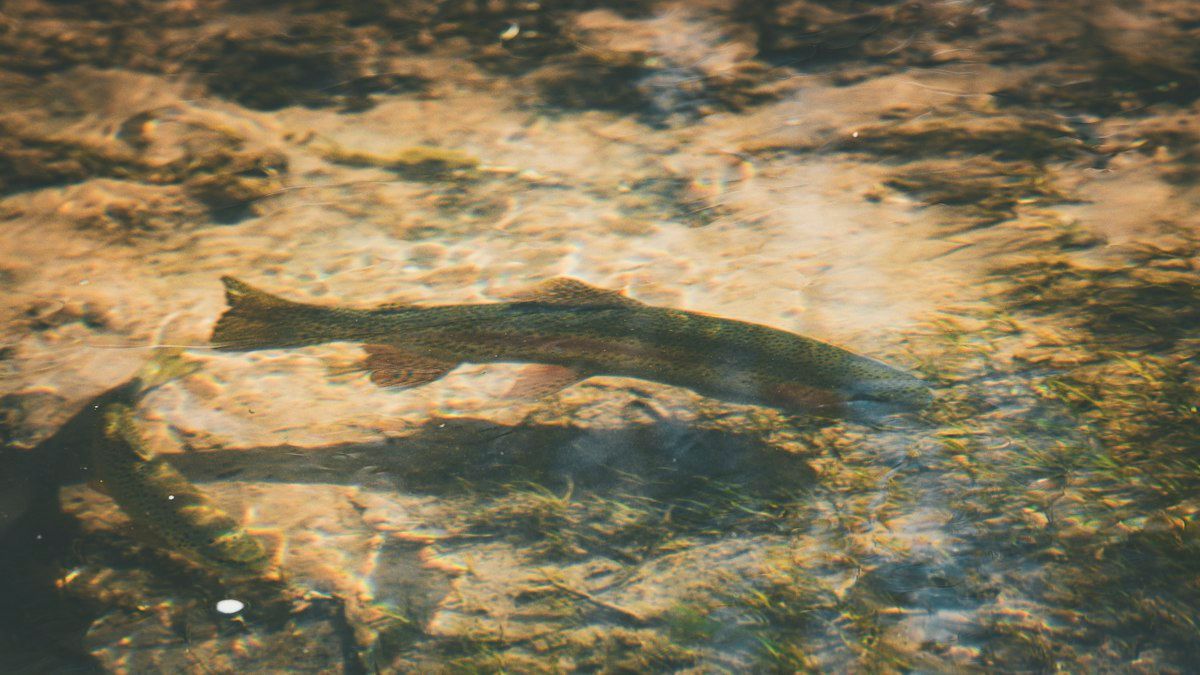
A steelhead is a sea-run rainbow trout. It spends part of its life in the ocean, then pushes back into freshwater rivers to spawn. That ocean time builds a strong, muscular fish, and a river current gives it plenty to work against once it is hooked.
Hooked steelhead run hard and often leap clear of the water. They turn quickly, bore down into deeper runs, and test every knot and every bit of line you have out. Landing one is never automatic, which is exactly why people chase them. Even a fish that gets off the hook leaves you with a story, and a first-timer should expect that some fish will win.
Why Winter Is the Season
Oregon steelhead runs come through the coastal rivers in the colder months, so winter is when anglers get their best shot at fresh, strong fish. That timing is also why this topic fits the start of the season. If you are thinking about a first steelhead trip, now is a good time to learn the basics rather than waiting until you are standing at the river's edge.
This article keeps things general on purpose. Exact timing and river conditions change from one winter to the next, and they shift with weather and water levels. A guide who is on the water regularly is the best source for what is happening on any given day, so that is a question to ask when you book.
What a Beginner Should Understand Before the First Trip
Steelhead fishing is a different rhythm from sitting over a calm bay waiting for a bite. Rivers move, and fishing them means reading moving water. Fish hold in particular spots, and finding them is half the work. A newer angler who expects constant action will be disappointed, while one who treats the day as a chance to learn the river will come away with something real.
Here are a few things worth keeping in mind before you go:
- Expect to cover water and try different spots rather than staying in one place all day.
- Dress for cold, wet conditions, since winter on an Oregon river is not mild.
- Be ready for slow stretches between bites and stay patient through them.
- Listen to your guide on where to stand, how to cast and when to set the hook.
None of this is complicated, but it all adds up. A beginner who goes in with realistic expectations tends to enjoy the day more than one who measures success only by the number of fish landed.
Why a Guide Makes the First Trip Easier
Learning steelhead water on your own can take many outings with little to show for them. A guide shortens that learning curve. Austin has fished Oregon's waters since childhood, and he has spent years teaching newer anglers, including families and kids. He understands how to explain things in plain terms for someone who has never fished a river for steelhead.
Fassiottos Guide Service offers several river trips built around winter steelhead. One is aimed at anglers who want to put existing river fishing skills to work on Oregon's winter runs. Another is for people who want to learn the craft of steelhead fishing while taking in the scenery of the rivers. A third follows the winter river runs in search of hard-fighting fish. If you are new to this, the learning-focused trip is a natural place to begin, though any of them is worth a conversation with Austin about which one fits your experience.
Getting the Most Out of Your First Day
Go in curious. Ask questions about why a spot looks promising, why the guide chose a certain approach, and what you could do differently next time. Those answers are what turn one trip into real skill. Steelhead reward anglers who pay attention to the water, and a good guide will happily show you what to look for.
Also keep your goals simple. Hooking a steelhead, feeling that first hard run, and understanding how the river fishes are all worthwhile outcomes. Landing one is a bonus, not the only measure of a good day. Anglers who take that view usually find that the second and third trips come easier, and the sport starts to make sense.
Ready to Try It?
Winter steelhead fishing on the Oregon Coast is demanding, scenic and often humbling, and for plenty of anglers that combination is the whole appeal. If you want to try it with someone who knows these rivers, reach out to Fassiottos Guide Service and ask about the winter steelhead trips. Tell Austin how much river fishing you have done, and he can point you to the trip that suits where you are right now.